Is Your Gut Still Not Right, Despite Trying Everything?
Extensive research indicates that gut health profoundly impacts overall well-being. The gut microbiome, in particular, plays a pivotal role in regulating digestive, immune, metabolic, and neuroendocrine functions, influenced by factors like diet and lifestyle.
So when you have undergone multiple tests and are told that your symptoms – abdominal pain, cramping, constipation or diarrhea, bloating, and gas – are normal, it’s definitely not normal to feel off all the time. It can be so disheartening and frustrating to endure these unexplained symptoms without any clear answers.
That’s why I am a huge fan of functional stool testing, which helps connect the dots between your body and your symptoms.
The GI-MAP test uses cutting edge technology called PCR (polymerase chain reaction) which measures the different bacteria living in your gut through your stool sample. It provides a wealth of information, tracking the presence of beneficial bacteria, opportunistic pathogens, and bacteria strains linked to specific health conditions. The test also assesses for inflammation, immune health, and digestive function. More specifically, it provides crucial data on:
Pathogens (bacteria, yeast, viruses, and parasites)
H. Pylori infection
Beneficial bacteria
Bacteria that can contribute to inflammation, diarrhea, constipation, abdominal pain, or bloating
Bacteria and viruses linked to autoimmune conditions
Yeast overgrowth markers
Parasite markers
Digestive enzyme levels
Fat digestion markers
Immune system and allergy markers
Inflammation markers
Detox markers (great for understanding your gut microbiome which regulates your hormone level, including estrogen, progesterone, and testosterone)
In many cases, gut testing reveals things beyond what conventional testing can detect. It acts as a "second set of eyes" when other tests say “everything looks normal.” This is essential because it can reveal intricate imbalances within your gut microbiome allowing for a tailored, cause-specific treatment approach.
A functional stool test stops the guessing games with your gut and starts getting the answers you’ve been looking for.
A client came in with non-specific back pain, GERD (acid reflux), diarrhea, insomnia, and anxiety. He had seen many specialists and none of them could explain his symptoms.
Here’s what I discovered on his Gut Panel:
H. Pylori infection
High levels of "bad" bacteria
Poor fat digestion
Poor detoxification
Low immune function
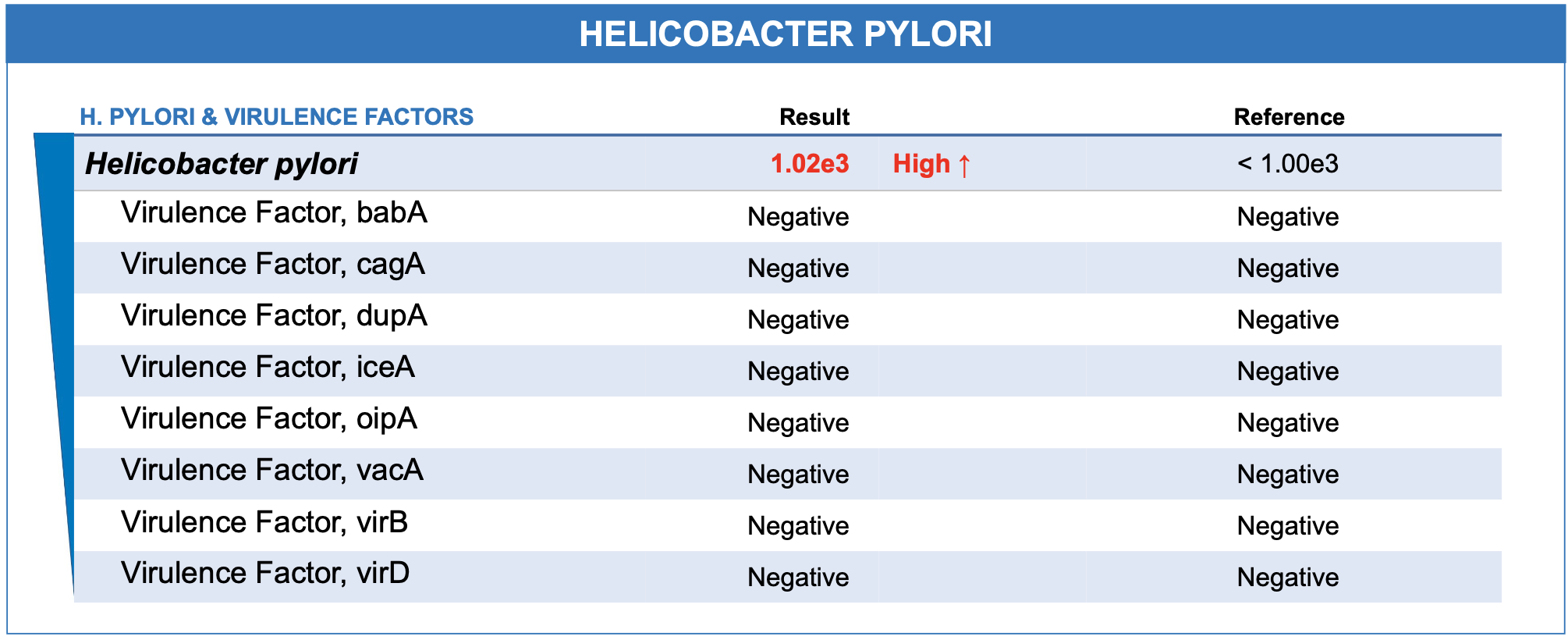
H. Pylori infection

High levels of "bad" bacteria

High levels of poor fat digestion and poor detoxification
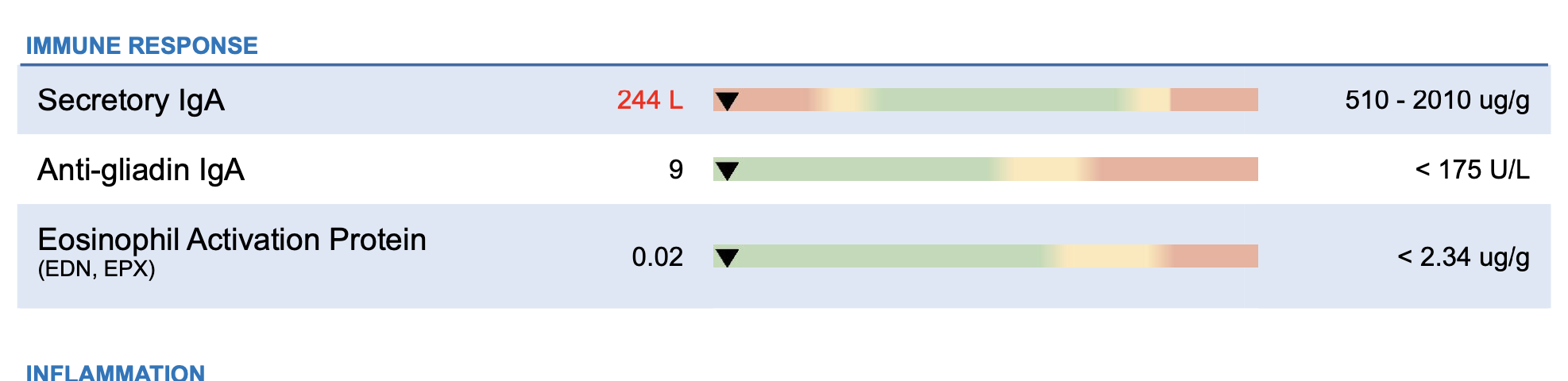
Low immune function
I was able to treat his H. Pylori infection which cleared his back pain. We balanced his gut microbiome with targeted/individualized probiotics which helped his anxiety and insomnia. The low sig-a reveals high anxiety as the chemical messengers for the brain are made in the gut. The patient's symptoms have resolved after using this root-cause approach.
The health of your gut influences your overall health. If you have problems here, let’s get to the bottom of why.
Functional stool testing can provide valuable information, but it is only one part of the picture. Similar digestive symptoms can have different underlying causes, so I first need to understand your symptoms, health history, lifestyle, previous labs, and goals before deciding whether GI-MAP testing is appropriate.
All new patients begin with a Discovery Session. This comprehensive first appointment helps me understand your full story and determine whether GI-MAP testing, conventional testing, dietary strategies, or another care path makes the most sense.
If GI-MAP testing is recommended, an at-home stool test kit will be shipped directly to you. You will collect your sample using the instructions provided and return it to the lab with the included prepaid shipping materials. Once the results are available, we will review what they show in the context of your symptoms, health history, and overall care plan.
The content provided is for informational purposes only and does not intend to substitute professional medical advice, diagnosis, or treatment.